


I Was Laid Off at 69: What Nobody Tells You About an Unplanned Retirement
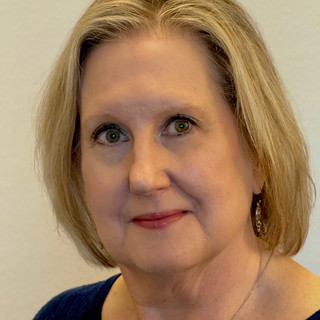
- Cheryl Fimbel
- May 1
- 4 min read
Two weeks after my mother died, the phone rang. My position was being eliminated. Just like that — one year before I was ready — I was in retirement. Here is what those first months really looked like, and what I wish someone had told me.

I Had a Plan
Forty-five years in healthcare leadership, and I had a plan. I knew the date. I knew the timeline. I was one year away from a carefully organized transition into retirement. The finances were in order. The calendar was clearing. I was getting ready.
And then two weeks after I buried my mother, I got the call I never expected. The organization was restructuring. My position was being eliminated. Just like that, one year before I was ready, I was in retirement.
If you are approaching retirement — whether on your own schedule or not — this post is for you. Because the emotional side of this transition is real, it is largely invisible, and almost no one talks about it honestly.
What Nobody Tells You About an Unplanned Exit
When you plan your retirement, you control the narrative. You choose the date, plan the party, write the speech. You get to stand in front of your colleagues and say, on your own terms, “I built something here. And now I am choosing what’s next.”
When it is taken from you, you get none of that. You get a conversation you did not ask for, a timeline you did not choose, and a bewildering amount of open space in your life while you are actively grieving something else entirely.
I will not pretend that was easy. It was one of the hardest seasons of my life. And I say that as someone who spent four decades helping organizations navigate their hardest seasons.
"I had a plan. And then life reminded me that plans are suggestions."
The First Few Months: When Structure Disappears
The first month, I barely knew what day it was. I had built my entire life around structure — meetings, deadlines, deliverables, accountability. All of it, overnight, was gone.
I found myself standing in my kitchen at 9 a.m. wondering what people do when they do not have somewhere to be. I would reach for my phone to check email and then remember. I would start mentally solving a work problem and then remember. I was grieving my mother, yes. But I was also grieving my career in ways I had not anticipated and was not prepared for.
Research backs up what I was experiencing. Studies on involuntary retirement consistently show that people who did not choose their exit date take significantly longer to adjust emotionally than those who retired on their own timeline. It is not weakness. It is a predictable human response to losing identity, structure, and community all at once.
The Identity Question Nobody Warned Me About
Here is the thing about spending 45 years as a professional: your title becomes your shorthand for who you are. Director of Quality Informatics. That was not just my job. For most of my adult life, it was how I answered the question “What do you do?”
When that title was gone, I found myself genuinely unsure how to answer. And that uncertainty — that quiet, disorienting sense of “who am I now?” — is one of the most common things I hear from people navigating retirement. Especially high achievers. Especially people who loved their work.
The good news: your identity is more portable than you think. What I eventually discovered is that the things I value most — my curiosity, my care for people, my ability to help others navigate hard things — those did not live in my job description. They lived in me. They came with me.
Three Things That Actually Helped Me Get Through It
I do not have a tidy five-step formula. But I do have three things that genuinely made a difference in those first disorienting months:
• Name the grief. Career loss is a real loss. It does not require an apology or a disclaimer. Acknowledge it, and give yourself permission to feel it.
• Rebuild structure deliberately. You do not have to fill every hour. But having anchor points in your day — a consistent wake time, one or two things to accomplish, a reason to get dressed — matters more than you might expect.
• Find one person who has been through it. Not someone who will tell you how lucky you are. Someone who will tell you the truth about how hard it was and how they found their footing anyway.
I write about all of this in much more depth in my book, The Hidden Side of Retirement. Because these conversations — the honest ones about what retirement actually feels like from the inside — are exactly the ones that were missing when I needed them most.
The Transition Is the Work
Whether you are five years from retirement, in the middle of your first year, or looking back on a transition that still feels unsettled — you are not alone in finding this harder than you expected. The disorientation is not a sign you did something wrong. It is a sign you are in the middle of something real.
This transition is worth navigating well. And you do not have to figure it out alone.
~ Cheryl
Ready to navigate your retirement with confidence? My book, The Hidden Side of Retirement, walks you through the decision, the transition, and the first 90 days of life after work — the parts nobody prepares you for. |
Resources
The following research and sources informed the content of this post:
1. Employee Benefit Research Institute (EBRI)
Retirement Confidence Survey. Employee Benefit Research Institute. www.ebri.org
2. Dingemans, E., & Henkens, K. (2015)
Scandinavian Journal of Work, Environment & Health, 41(1), 16–23. doi: 10.5271/sjweh.3464
3. Rhee, M.-K., Mor Barak, M. E., & Gallo, W. T. (2016)
Mechanisms of the Effect of Involuntary Retirement on Older Adults’ Self-Rated Health and Mental Health. Journal of Gerontological Social Work, 59(1), 35–55.
4. American Psychological Association (APA)
Adjusting to Retirement: Emotional and Psychological Challenges. The Supportive Care (2025). www.thesupportivecare.com
5. Galanis, P. et al. — International Journal of Caring Sciences (2023)
Psychosocial Effects of Retirement on the Elderly. International Journal of Caring Sciences. www.internationaljournalofcaringsciences.org


Comments